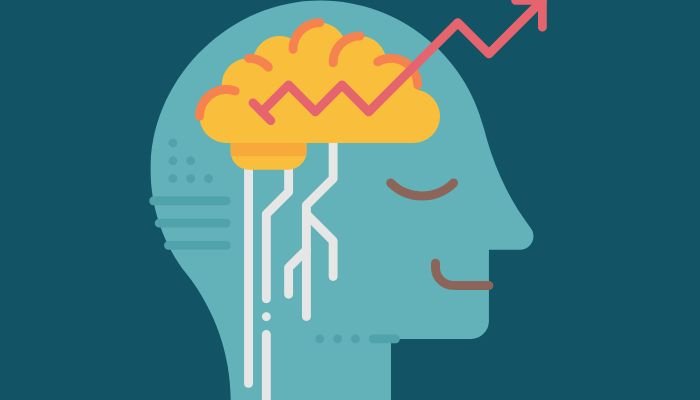
Ever faced a setback that felt insurmountable, a challenge that threatened to derail your progress entirely? The secret to not just surviving, but actually thriving amidst life's inevitable curveballs, lies in mastering your Resilience & Growth Mindset. These aren't just buzzwords; they're your internal superpowers, empowering you to adapt, learn, and emerge stronger from every difficulty. This guide isn't about magical thinking; it's about practical strategies to cultivate an unwavering belief in your capacity to grow, no matter what.
It’s about understanding that your intelligence and abilities aren't fixed statues but malleable clay, waiting for your hands to sculpt them. And it’s about developing the inner grit to pick yourself up, dust yourself off, and move forward with renewed determination, even when things get tough.
At a Glance: Your Toolkit for Thriving
- Growth Mindset Defined: The belief that your core abilities and intelligence can be developed through dedication and hard work. It's about potential, not just present performance.
- Resilience Defined: Your capacity to quickly recover from difficulties, adapt to challenging circumstances, and bounce back from adversity.
- The Connection: A growth mindset is the fertile ground for resilience, viewing struggles as opportunities for learning and improvement.
- Key Growth Mindset Habits: Reframe negative thoughts, embrace challenges, praise effort, learn from mistakes, focus on progress.
- Pillars of Resilience: Mental toughness (fueled by growth mindset), adaptability, and proactive self-care.
- Practical Integration: Cultivate positive self-talk, prioritize self-care, focus on learning, maintain optimism, and accept change as inevitable.
- The Virtuous Cycle: Each strengthens the other, leading to continuous personal growth and enhanced well-being.
Beyond "Bouncing Back": The Dynamic Duo of Resilience & Growth Mindset
We often hear about the importance of "bouncing back," but true resilience is far more than just returning to your original state. It's about bouncing forward, evolving, and integrating lessons learned from adversity. This deeper form of resilience isn't an innate trait you either have or don't; it's a skill set, profoundly influenced and amplified by what psychologist Carol Dweck calls a growth mindset.
Imagine a resilient rubber band. It stretches, it snaps back, but it also adapts its elasticity over time. Now, picture that rubber band being smart, learning from each stretch how to become more flexible for the next. That's the interplay we're talking about: a growth mindset provides the mental framework, the belief in your ability to expand and improve, while resilience is the active manifestation of that belief in the face of challenges. Without the growth mindset, resilience risks becoming mere endurance, a stoic acceptance rather than an active pursuit of growth. Together, they form a powerful engine for personal development and navigating an unpredictable world.
Unpacking the Growth Mindset: Why Your Beliefs Matter
Your mindset is the operating system of your brain. A growth mindset is characterized by the profound belief that your fundamental abilities, intelligence, and even personality traits are not fixed. Instead, they can be developed and improved through dedication, hard work, and effective strategies. This isn't just wishful thinking; it's a scientifically supported perspective that dramatically shifts how you perceive challenges and setbacks.
When you operate with a growth mindset, obstacles aren't brick walls but rather puzzles to solve, opportunities to learn something new about yourself or the world. Criticism becomes valuable feedback for improvement, not a personal attack. And the effort itself is celebrated, not just the outcome. This belief system is the engine that drives persistence, motivates continuous learning, and encourages you to step outside your comfort zone, recognizing that potential is a journey, not a destination.
What a Growth Mindset Looks Like in Action
Individuals with a growth mindset approach life with a distinctive set of characteristics:
- Embracing Challenges: They see difficulties as chances to grow, rather than threats to avoid. A tough project at work isn't overwhelming; it's an exciting opportunity to develop new skills.
- Persistence Through Failure: Setbacks aren't perceived as definitive proof of inadequacy, but as crucial learning opportunities. They understand that failure is data, guiding them toward better strategies next time.
- Valuing Effort: They recognize that sustained effort and hard work are the pathways to mastery, not just innate talent. They celebrate the journey of learning as much as the destination.
- Learning from Criticism: Feedback, even when critical, is seen as a gift—information that can help them improve. They don't take it personally but integrate it constructively.
- Inspired by Others' Success: Rather than feeling threatened by the achievements of others, they find inspiration and learn from their strategies, seeing possibilities for their own growth.
Cultivating Your Growth Mindset: Practical Steps
Shifting from a fixed mindset (where abilities are seen as static) to a growth mindset takes conscious effort, but it’s entirely achievable. Here's how you can start rewiring your thinking:
- Recognize and Reframe Negative Thoughts: Pay attention to phrases like "I'm not good at this" or "I'll never learn." These are fixed mindset indicators. When they arise, consciously challenge them. Reframe "I can't do this" to "I can't do this yet, but I can learn how."
- View Challenges as Opportunities: Actively seek out tasks or situations that push your boundaries. Instead of dreading the unknown, approach it with curiosity. Ask yourself, "What can I learn from this experience, regardless of the outcome?"
- Praise Effort and Progress, Not Just Innate Ability: When celebrating your own or others' achievements, focus on the hard work, persistence, and strategies used. "Your dedication to practice really paid off!" is more growth-oriented than "You're so smart!" This reinforces the value of the process.
- Learn from Mistakes and Failures: Don't dwell on errors. Instead, treat them like a scientist treats an experiment that didn't yield the expected results. Analyze what went wrong, what you could have done differently, and what new knowledge you gained. Every mistake is a lesson in disguise.
- Focus on Learning and Progress: Shift your internal metric of success from "did I achieve X?" to "did I learn Y and improve Z?" This frees you from the pressure of perfection and keeps you motivated by continuous development.
- Embrace "The Power of Yet": This simple phrase, popularized by Carol Dweck, is a potent growth mindset tool. When you encounter a skill you haven't mastered, simply add "yet." "I don't understand quantum physics yet." This opens the door to future learning.
Building Your Resilience Muscle: What It Takes to Bounce Back (and Beyond)
Resilience isn't about being immune to stress or pain; it's about how you respond when they inevitably hit. It’s the strength forged in overcoming adversity, the flexibility to bend without breaking, and the wisdom gained from navigating tough times. It allows you to transform challenges into stepping stones for growth, learning more about your capabilities with each hurdle you clear.
This capacity isn't static; it's like a muscle that strengthens with consistent exercise. The more effectively you engage with difficulties, the more robust your resilience becomes. A core aspect of this is understanding that difficult emotions are a natural part of the human experience, and true resilience lies in processing them, learning from them, and continuing forward, rather than suppressing or being overwhelmed by them.
The Three Pillars of Resilience
While often discussed as a singular concept, resilience is actually a dynamic interplay of several key components:
- Mental Toughness: This isn't about being emotionless or never feeling pain. It's about maintaining focus, determination, and a positive attitude even under pressure. It's built directly on a growth mindset, viewing failures as learning opportunities and pushing through challenges rather than giving up. When faced with a daunting task, mental toughness means breaking it down, believing in your ability to tackle each part, and staying committed despite temporary setbacks.
- Adaptability: The world is constantly changing, and your ability to adjust your behaviors, actions, and mindsets accordingly is paramount. Adaptability means accepting uncertainty, being flexible with your plans, and being open to new ways of thinking and doing. It's about being like water—able to flow around obstacles rather than crashing head-on into them. If your initial strategy fails, adaptability is what allows you to pivot and try a different approach without losing momentum.
- Self-Care: Often overlooked as a cornerstone of strength, self-care is fundamentally about prioritizing your physical, mental, and emotional well-being. It’s about replenishing your resources so you have the energy and clarity to face challenges. This includes adequate sleep, healthy eating, regular exercise, setting clear boundaries, taking restorative breaks, and engaging in activities that boost your confidence and self-esteem. You can't pour from an empty cup, and neglecting self-care is a surefire way to deplete your resilience reserves.
The Virtuous Cycle: How They Amplify Each Other
The relationship between a growth mindset and resilience isn't one-sided; it's a powerful, reinforcing cycle. A growth mindset lays the essential groundwork, giving you the belief that you can grow and improve through hard work and persistence. This belief then makes you far better equipped to withstand failures and setbacks.
Think of it: if you believe your intelligence is fixed, a failure might feel like a definitive statement about your limitations. But with a growth mindset, that same failure transforms into valuable feedback, an opportunity to refine your approach, build new skills, and try again. This willingness to persist and learn directly fuels your resilience. The more you face difficulties with this perspective, learn from them, and ultimately overcome them, the stronger your resilience becomes. And the stronger your resilience, the more you confirm your growth mindset—that you truly can develop and improve.
Consider a professional who receives critical feedback on a major project.
- Fixed Mindset Reaction: "I'm terrible at this. This proves I'm not cut out for this role." (Leads to discouragement, avoidance, reduced resilience).
- Growth Mindset Reaction: "This feedback is tough, but it highlights areas I need to develop. What specific skills can I work on? How can I apply this to the next project?" (Leads to active problem-solving, skill development, increased resilience).
In this example, the growth mindset transforms a potential defeat into a development opportunity, directly enhancing the individual's capacity to bounce back with improved skills and confidence—a clear demonstration of the virtuous cycle in action.
Putting It into Practice: Daily Habits for a Resilient, Growth-Oriented Life
Integrating a growth mindset and resilience isn't about grand gestures; it's about embedding small, consistent practices into your daily routine. These habits, repeated over time, will gradually rewire your brain and empower you to face whatever comes your way with greater strength and optimism.
1. Focus on Learning, Not Just Outcomes
Shift your internal scoreboard from "Did I win/lose?" to "What did I learn today?" When you prioritize learning and skill improvement over external validation (like grades, scores, or public praise), setbacks transform into invaluable data points.
- Actionable Tip: After any significant event, positive or negative, dedicate five minutes to asking yourself: "What went well, and why?" and "What could I improve for next time, and how specifically will I do it?" This practice actively channels your experiences into future growth.
2. Practice Positive Self-Talk
Your internal dialogue is incredibly powerful. Replacing negative, self-defeating thoughts with constructive affirmations is a cornerstone of both resilience and a growth mindset. It's not about ignoring reality, but about choosing a supportive, encouraging internal voice.
- Actionable Tip: Identify your most common negative self-statements. For example, if you often think, "I'm going to fail this presentation," reframe it to: "This presentation is challenging, but I've prepared, and I can learn from the experience." Offer yourself self-encouragement and acknowledge your efforts and achievements, however small. Sometimes, a fresh perspective or a dose of inspiration can make all the difference. You might even find a new spark by allowing yourself to Generate your random quotes for daily motivation.
3. Take Care of Yourself, Fiercely
Self-care isn't selfish; it's foundational. Neglecting your physical and mental needs erodes your capacity to cope with stress and stifles your ability to learn and grow. This is where your resilience reserves are refilled.
- Actionable Tip: Build non-negotiable self-care into your schedule. This could be 7-8 hours of sleep, a daily walk, a nutritious meal, or 15 minutes of quiet time. Also, actively connect with others for social support; shared experiences and empathy are powerful resilience builders. Remember, setting boundaries around your time and energy is a vital form of self-care that prevents burnout.
4. Cultivate Optimism and a Hopeful Outlook
Optimism isn't about ignoring problems; it's about maintaining a belief in your ability to find solutions and overcome hard times. It’s about actively looking for the silver lining, identifying possibilities, and holding onto hope.
- Actionable Tip: Start a "gratitude journal" where you list 3-5 things you're grateful for each day. This simple practice trains your brain to notice the positive. When faced with a challenge, consciously brainstorm potential solutions and focus on the steps you can take, however small, to move forward.
5. Embrace and Accept Change
Life is a continuous stream of change, often outside your control. Resisting it rigidly only leads to frustration and anxiety. Developing the capacity to accept uncertainty and adapt to new circumstances is a hallmark of strong resilience.
- Actionable Tip: Practice flexibility in small ways. If your usual routine is disrupted, instead of getting frustrated, try a new approach. Consciously let go of the need for perfect plans and embrace "good enough" solutions. View unexpected changes as opportunities to experiment and discover new strengths.
Common Questions & Misconceptions About Resilience & Growth Mindset
These concepts, while powerful, are sometimes misunderstood. Let's clear up some common points of confusion.
"Isn't resilience just about being tough and never showing weakness?"
Not at all. True resilience isn't about being invulnerable or stoic. It's about acknowledging difficulties, allowing yourself to feel the associated emotions (sadness, frustration, anger), and then consciously choosing to adapt and move forward. Showing vulnerability can actually be a sign of strength, as it allows for genuine connection and support. Resilience is about effectively managing stress and adversity, not pretending it doesn't exist or doesn't affect you.
"Is a growth mindset just about being positive all the time and ignoring reality?"
Definitely not. A growth mindset is realistic. It recognizes that challenges are hard, failures happen, and there are skills you don't currently possess. The difference lies in the response: instead of letting these realities define your limits, a growth mindset sees them as starting points for improvement. It’s about having an "I can learn how" attitude, rather than an "I can't do it" one. It acknowledges difficulty but maintains an active belief in the possibility of growth through effort.
"If I have a growth mindset, does that mean I'll succeed at everything I try?"
No. A growth mindset doesn't guarantee success; it guarantees growth. You might still face failures, encounter tasks you're not suited for, or choose paths that don't pan out. However, with a growth mindset, these experiences aren't viewed as definitive proof of your inadequacy. Instead, they become valuable lessons, guiding you toward better choices, improved strategies, and a deeper understanding of yourself and your capabilities. The goal is continuous learning and development, not flawless achievement.
"Is resilience something you're born with, or can it be learned?"
Resilience is absolutely a learned skill. While some individuals might have natural predispositions that aid in resilience (like a naturally optimistic temperament), the core components—mental toughness, adaptability, and self-care strategies—can be developed and strengthened through conscious practice and experience. Every time you face a challenge, respond constructively, and learn from it, you're building your resilience muscle. It’s a dynamic capacity that grows over your lifetime.
Your Path Forward: Cultivating a Lifetime of Growth
The journey of fostering a strong resilience and growth mindset is a continuous one, a lifelong commitment to learning, adapting, and believing in your own capacity for development. It’s not about reaching a destination where challenges cease to exist, but about equipping yourself with the internal resources to navigate any terrain with courage and purpose.
Start small. Pick one or two of the practical tips discussed and integrate them into your daily life. Pay attention to your self-talk. Celebrate your effort more than your outcomes. Prioritize a single aspect of self-care. Each intentional step you take solidifies these powerful mindsets within you, building a virtuous cycle that will empower you to not just face adversity, but to actively grow from it. The world may be unpredictable, but your ability to thrive within it can be your most reliable superpower. Embrace the process, trust your capacity to learn, and watch how your life transforms.